Gen Z Dental Trends: Why Younger Patients Skip Dental Check-Ups (And How to Fix It)
Walk into many dental clinics today, and you'll notice something interesting — fewer young adults coming in for routine check-ups. Instead, many Gen Z patients show up only when there's pain, swelling, or a visible problem.
This shift in behavior is creating a silent oral health crisis. While Gen Z is known for being health-conscious in areas like fitness and skincare, dental care often gets pushed to the bottom of the priority list. The result? Small, easily treatable issues are turning into bigger, more painful, and more expensive problems.
Understanding why younger patients skip dental visits — and how modern dentistry is adapting — is key to protecting the future smiles of India's youth.

Who Is Gen Z and Why Their Dental Habits Matter
Gen Z generally includes teenagers and young adults in their late teens to mid-20s. This generation grew up with smartphones, social media, and instant access to information. They are digitally savvy, independent, and often juggling studies, early careers, and busy social lives.
But these fast-paced lifestyles can lead to inconsistent health habits. Dental care, in particular, tends to be reactive instead of preventive. Because oral health problems develop slowly, the consequences of neglect may not be obvious until years later.
The habits formed during these years — brushing routines, diet choices, and dental visit patterns — strongly influence oral health for life. Skipping check-ups now can mean more serious dental treatments in their 30s and 40s.
Why Gen Z in India Is Skipping Dental Check-Ups
There isn't just one reason — it's a mix of mindset, lifestyle, and perception.
"No Pain, No Problem" Mindset
Many young people believe that if there's no pain, there's no issue. But dental diseases like cavities and gum problems often start silently. By the time discomfort appears, the condition may already require more complex treatment.
Dental Anxiety and Fear
Fear of injections, drilling sounds, or painful experiences shared by others can make young patients delay appointments. Social media stories and exaggerated videos sometimes make dental treatment seem scarier than it really is.
Busy Lifestyles and Irregular Schedules
College deadlines, exams, first jobs, and late-night routines can push health appointments aside. Dental visits don't feel urgent — until they suddenly are.
Cost Concerns and Budget Priorities
Gen Z spends on gadgets, travel, food delivery, and entertainment. Dental care may feel like an avoidable expense, especially when there are no visible symptoms. Unfortunately, delaying treatment often leads to higher costs later.
Over-Reliance on Google and DIY Advice
Many young adults search symptoms online and try home remedies instead of consulting a dentist. While the internet provides information, it cannot replace a proper clinical examination.
Common Dental Problems Rising Among Young Indians
Dentists are increasingly seeing specific issues in younger patients.
Early Tooth Decay from Sugary Diets and Energy Drinks
Frequent snacking, sugary beverages, and energy drinks create an ideal environment for cavities. Even "healthy" drinks like flavored yogurts and packaged juices can harm teeth when consumed often.
Gum Problems from Poor Brushing and Flossing
Rushed brushing, skipping flossing, and inconsistent routines lead to plaque buildup. This causes bleeding gums, bad breath, and early gum disease — often ignored until it worsens.
Staining from Coffee, Tea, and Vaping
Coffee culture, tea, and vaping contribute to tooth discoloration and enamel damage, affecting both appearance and dental health.
Wisdom Tooth Issues Ignored Too Long
Pain or swelling around wisdom teeth is often ignored until infection develops. Early evaluation can prevent sudden emergencies.
Jaw Pain and Teeth Grinding Due to Stress
Academic pressure, screen time, and stress can lead to teeth grinding (bruxism), causing jaw pain, headaches, and tooth wear.
The Hidden Cost of Skipping Dental Visits
Avoiding routine check-ups might seem like saving time and money — but it usually does the opposite.
- A small cavity that could be fixed with a simple filling may later require a root canal
- Mild gum inflammation can progress to gum disease and tooth mobility
- Ignored tooth pain can turn into a severe infection
These advanced treatments involve more discomfort, more appointments, and higher costs. Preventive visits are almost always simpler and more affordable.
How Modern Dental Clinics Are Adapting for Gen Z Patients
Dental clinics today are evolving to meet the expectations of younger patients.
Faster Appointments with Digital Tools
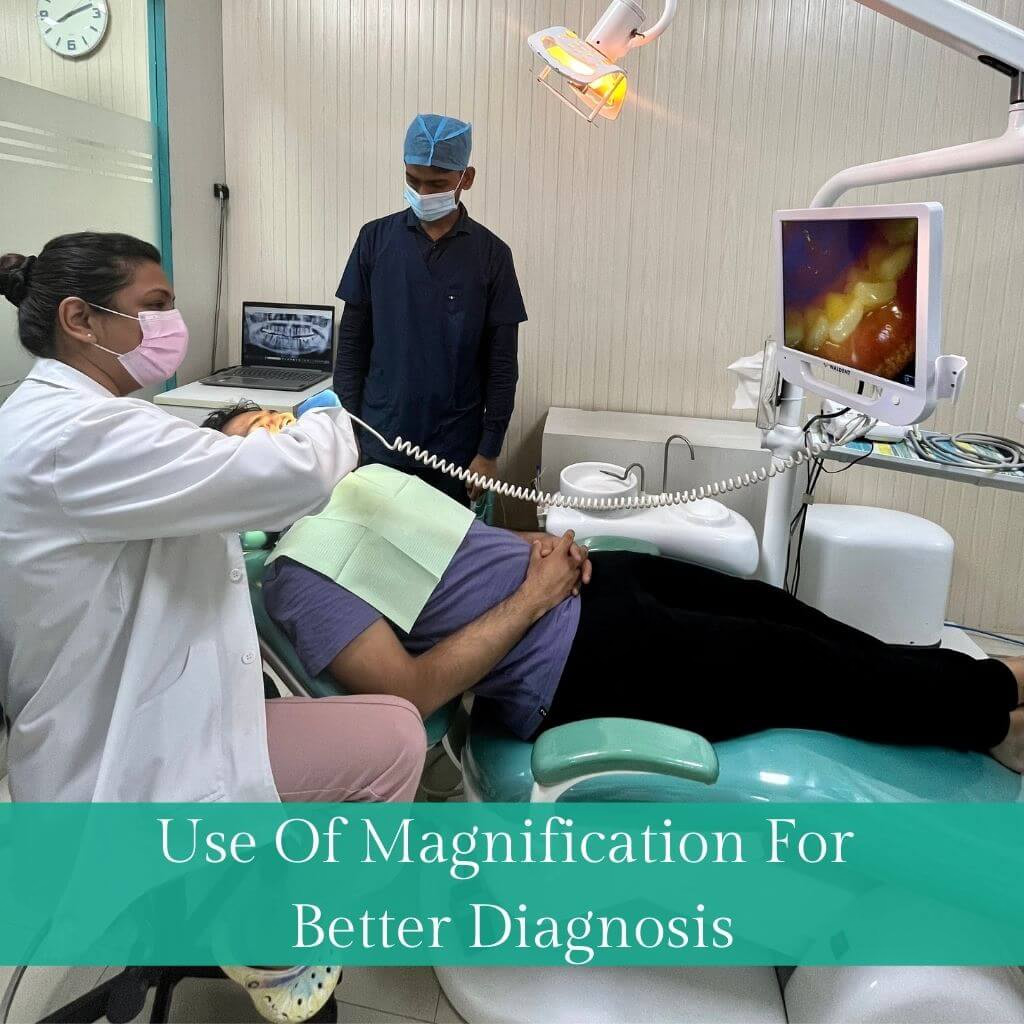
Digital X-rays and AI-assisted image analysis help dentists detect problems quickly and accurately. This reduces waiting time and makes appointments more efficient.
Less Painful and Minimally Invasive Treatments
Early detection allows smaller procedures, which are more comfortable. Modern anesthesia techniques and improved tools make treatments far less painful than many people imagine.
Transparent Communication Using Visual Technology
Dentists can now show patients their dental issues on a screen using scans and images. Seeing the problem builds trust and helps young patients understand why treatment is needed.
The Role of Technology in Making Dental Visits Easier
Technology plays a big role in making dental care more Gen Z–friendly.
- AI tools assist in early detection of cavities and gum issues
- Digital scans replace uncomfortable traditional impressions
- Visual reports make diagnosis easy to understand
- Faster workflows reduce time spent in the dental chair
For a generation comfortable with technology, a modern, tech-enabled clinic feels more reassuring and less intimidating.
How Parents and Dentists Can Encourage Regular Check-Ups
Building good dental habits often requires encouragement and awareness.
Education About Prevention, Not Just Treatment
Young people need to understand that dental visits aren't only for fixing problems — they're for preventing them.
Normalizing Dental Visits Like Regular Health Check-Ups
Just like eye tests or general health check-ups, dental visits should be routine, not emergency-based.
Using Social Media and Digital Reminders
Clinics can use Instagram, WhatsApp reminders, and online booking to make scheduling easier and more familiar for young patients.
Creating a Friendly, Non-Scary Clinic Environment
A welcoming, judgment-free atmosphere helps reduce fear and builds comfort.
What Gen Z Patients Should Expect During a Modern Dental Check-Up
A routine check-up today is usually quick and comfortable:
- Digital X-rays or scans (if needed)
- AI-supported image review
- Gum and tooth health assessment
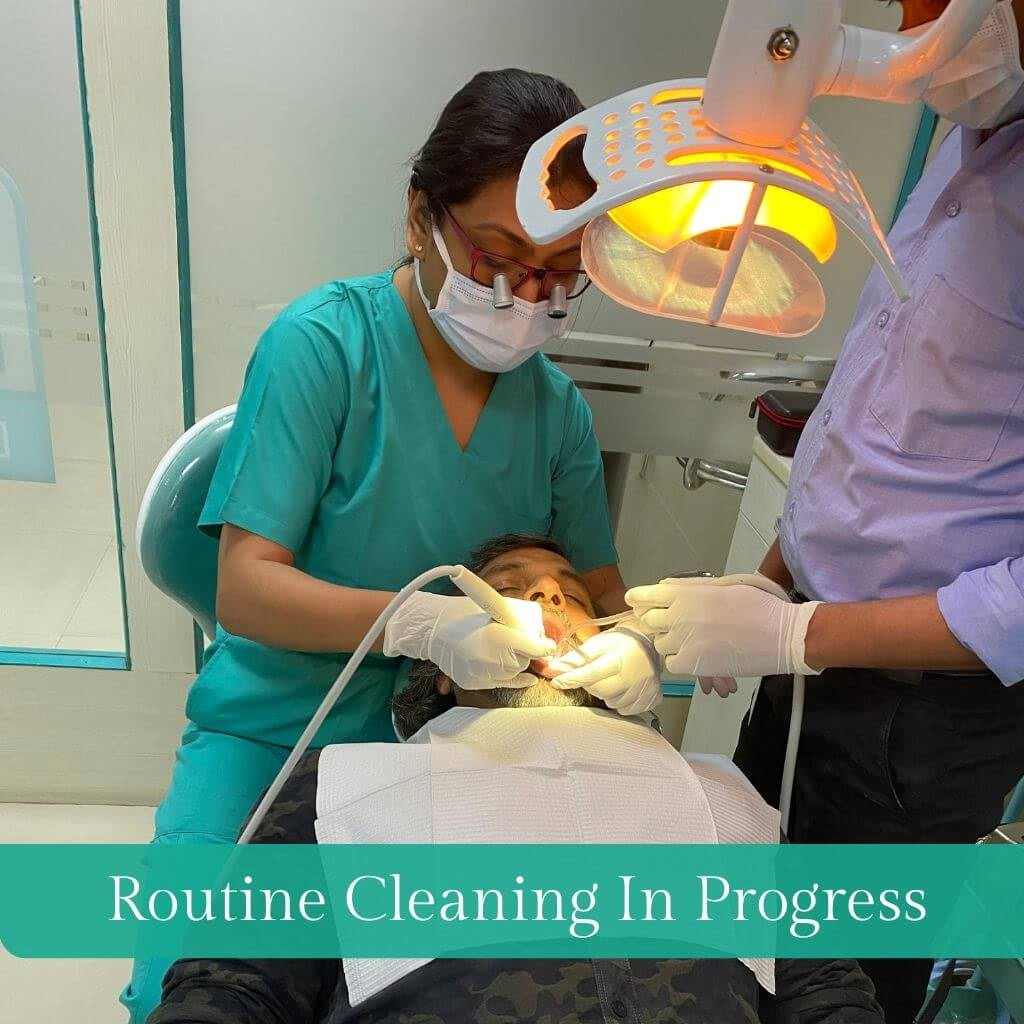
- Professional cleaning
- Preventive advice tailored to lifestyle habits
Most appointments are completed within a short time and focus on keeping problems small.
Why Starting Early Protects Your Smile for Life
Dental habits formed in youth have long-term effects. Regular check-ups help:
- Prevent serious tooth damage
- Maintain healthy gums
- Avoid expensive procedures later
- Keep smiles bright and confident
Good oral health also supports overall health, including heart and digestive well-being.
How Dental Clinics in India Can Better Connect with Gen Z
Clinics that understand younger patients can build long-term relationships.
- Use simple, friendly communication
- Offer digital appointment booking
- Provide clear treatment explanations
- Use technology to improve comfort and speed
- Share educational content on social media platforms
When clinics speak Gen Z's language, young patients are more likely to engage.
Conclusion: Changing the Mindset from "Emergency Care" to "Preventive Care"
Gen Z is shaping the future — but skipping dental check-ups could lead to avoidable oral health problems. The good news is that modern dentistry is faster, more comfortable, and more transparent than ever before.
A small visit today can prevent a major procedure tomorrow. By shifting from emergency-based care to preventive check-ups, young adults can protect their smiles for years to come.